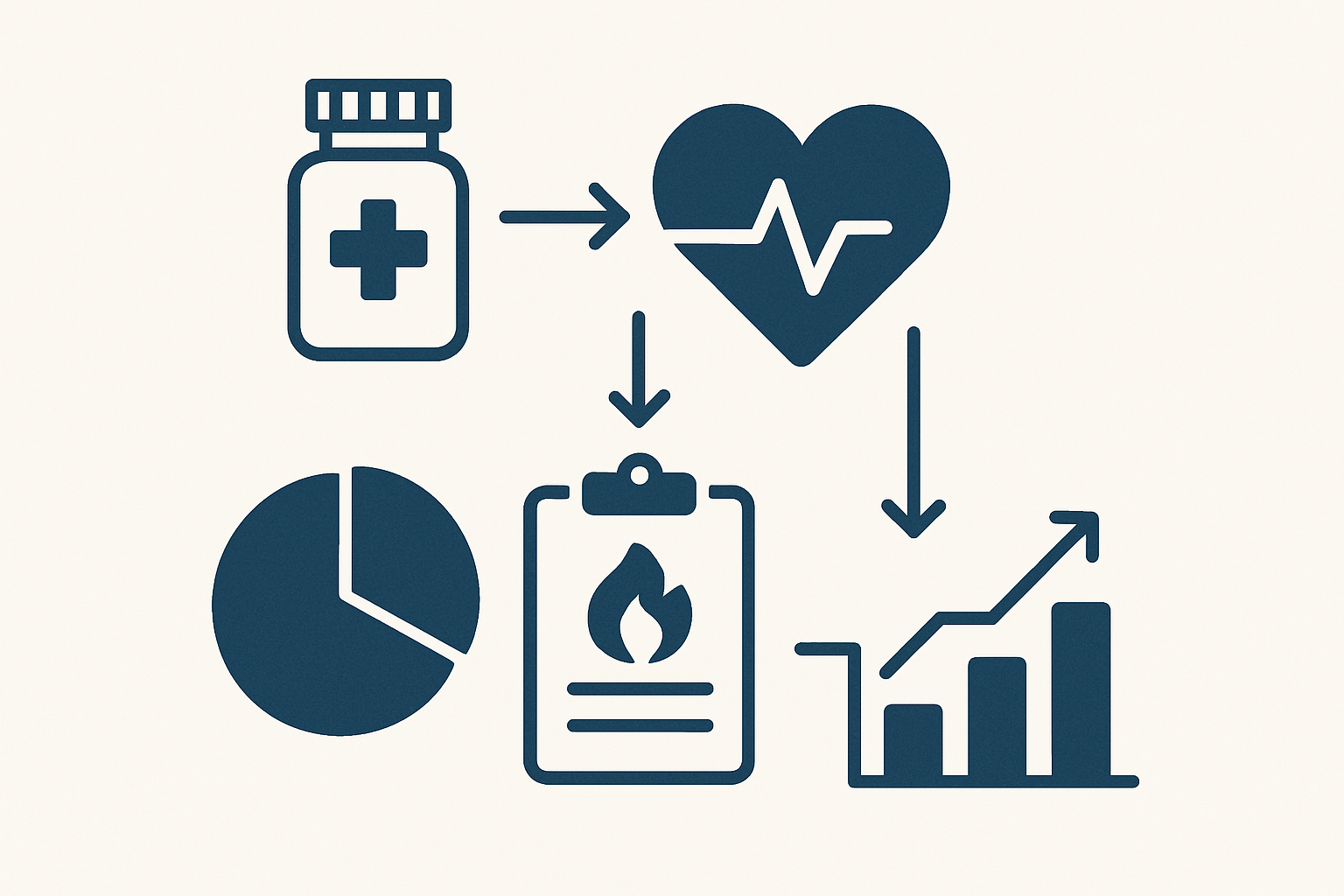
Medical care plays a central role in addiction recovery, providing the clinical support needed to safely detox and sustain sobriety. Without proper medical oversight, withdrawal can become dangerous and relapse rates remain high.
Understanding what medical care looks like during recovery helps individuals and families make informed decisions. From supervised detox to ongoing mental health treatment, each stage of care matters significantly.
Key Takeaways
- Medical care during addiction recovery includes detox, medication-assisted treatment (MAT), and mental health support.
- According to the Substance Abuse and Mental Health Services Administration (SAMHSA), over 20 million Americans needed substance use treatment in 2022, yet only a fraction received it.
- Medication-assisted treatment can reduce opioid overdose deaths by up to 50%, according to the Centers for Disease Control and Prevention (CDC).
- Integrated medical and behavioral health care produces better long-term recovery outcomes than either approach alone.
- Early medical intervention significantly lowers the risk of severe withdrawal complications and relapse.
Why Medical Care Matters in Addiction Treatment
Addiction is a chronic medical condition, not a personal failing. It alters brain chemistry, disrupts physical health, and often co-occurs with mental health disorders. Treating it requires structured, professional medical care at every stage.
When individuals attempt to quit substances without medical support, withdrawal symptoms can escalate quickly. Seizures, heart complications, and severe dehydration are real risks, especially with alcohol and opioid dependence. Medical supervision protects patients through this vulnerable period.
The Role of Detox in Medical Care
Detoxification is typically the first step in addiction treatment. It involves clearing substances from the body while managing withdrawal symptoms under clinical supervision. This phase can last anywhere from a few days to two weeks, depending on the substance and severity of use.
Medical detox programs monitor vital signs, administer medications to ease discomfort, and prevent life-threatening complications. Attempting detox at home without oversight dramatically increases health risks. A medically supervised detox sets a stable foundation for the next phase of treatment.
Medication-Assisted Treatment (MAT)
MAT combines FDA-approved medications with counseling and behavioral therapies to treat substance use disorders. Medications like buprenorphine, methadone, and naltrexone reduce cravings and withdrawal symptoms significantly. This approach is particularly effective for opioid and alcohol use disorders.
Research consistently shows MAT improves treatment retention and reduces the risk of overdose. It is not substituting one drug for another. It is a clinically proven medical strategy that supports recovery the same way insulin supports diabetes management.
Mental Health Support as Part of Medical Care
Substance use disorders and mental health conditions frequently occur together. Depression, anxiety, ptsd, and bipolar disorder are common co-occurring diagnoses. Treating only the addiction without addressing underlying mental health needs often leads to relapse.
Integrated care models address both conditions simultaneously. This may include psychiatric evaluation, medication management, and therapy. Comprehensive mental health support is not optional in modern addiction medicine. It is a core component of effective, lasting recovery.
Behavioral Therapies That Complement Medical Treatment
Medical care alone is rarely sufficient for long-term sobriety. Behavioral therapies like cognitive behavioral therapy (CBT), dialectical behavior therapy (DBT), and motivational interviewing work alongside medical treatment. They help patients identify triggers, build coping skills, and change harmful thought patterns.
These therapies are delivered in both inpatient and outpatient settings. Group therapy adds a social accountability element that reinforces individual progress. The combination of medical and behavioral treatment addresses addiction from every necessary angle.
Types of Medical Care Settings for Addiction Recovery
Different levels of care exist to match the severity of each person's needs. Choosing the right setting improves outcomes and reduces the risk of early dropout from treatment programs.
- Inpatient Residential Treatment: 24-hour medical supervision in a structured environment, ideal for severe addiction or dual diagnosis cases.
- Partial Hospitalization Programs (PHP): Intensive daily treatment without overnight stays, offering medical and therapeutic support during the day.
- Intensive Outpatient Programs (IOP): Flexible scheduling with several treatment sessions per week, suitable for those with stable home environments.
- Standard Outpatient Care: Weekly appointments for ongoing medical management, counseling, and relapse prevention planning.
- Aftercare and Continuing Care: Long-term support through check-ins, support groups, and medication management to maintain sobriety.
Long-Term Medical Care and Relapse Prevention
Recovery is a lifelong process, and medical care does not end after initial treatment. Ongoing monitoring, medication management, and regular check-ins significantly reduce relapse risk. Many individuals benefit from years of continued medical and therapeutic support.
Relapse does not mean failure. It signals a need to reassess and adjust the treatment plan. Medical providers play a critical role in helping patients return to care quickly and safely after a setback, minimizing harm and restoring progress.
Frequently Asked Questions
What qualifies as medical care in addiction recovery?
Medical care in addiction recovery includes supervised detox, medication-assisted treatment, psychiatric evaluation, and ongoing health monitoring. It may also involve managing physical health conditions that co-occur with substance use disorders. Any clinically supervised service designed to support safe recovery falls under this category.
Is medication-assisted treatment safe for long-term use?
Yes, MAT is safe for long-term use when properly managed by a licensed medical provider. Medications like buprenorphine and methadone have decades of research supporting their effectiveness and safety. The duration of MAT varies by individual need and is always determined in collaboration with a healthcare professional.
How do I know which level of care is right for me?
A licensed addiction specialist or primary care physician can assess your situation and recommend the appropriate level of care. Factors include the substance used, duration of use, medical history, mental health status, and home environment. Starting with a professional evaluation ensures you receive the most suitable and effective treatment plan.
Can medical care help if I have both addiction and a mental health disorder?
Absolutely. Integrated treatment programs are specifically designed for dual diagnosis cases. These programs address addiction and mental health simultaneously, using a coordinated team of medical and behavioral health professionals. Treating both conditions together leads to significantly better outcomes than addressing them separately or sequentially.
Bottom Line
Medical care is the backbone of effective addiction recovery, spanning from supervised detox to long-term relapse prevention and mental health support.
If you or someone you love is navigating the path to sobriety, caredrugrehabilitation.com offers clear, compassionate guidance on treatment options, detox programs, and personalized recovery strategies to help you take the next step with confidence.
References
- Substance Abuse and Mental Health Services Administration. (2023). National Survey on Drug Use and Health (NSDUH) 2022 results. https://www.samhsa.gov
- Centers for Disease Control and Prevention. (2023). Medication-assisted treatment for opioid use disorder. https://www.cdc.gov
- National Institute on Drug Abuse. (2022). Principles of drug addiction treatment: A research-based guide (3rd ed.). National Institutes of Health.
- American Society of Addiction Medicine. (2023). The ASAM criteria: Treatment criteria for addictive, substance-related, and co-occurring conditions. ASAM.
- Kelly, J. F., and Wakeman, S. E. (2021). Addiction medicine: Closing the gap between science and practice. New England Journal of Medicine, 384(14), 1368-1370.