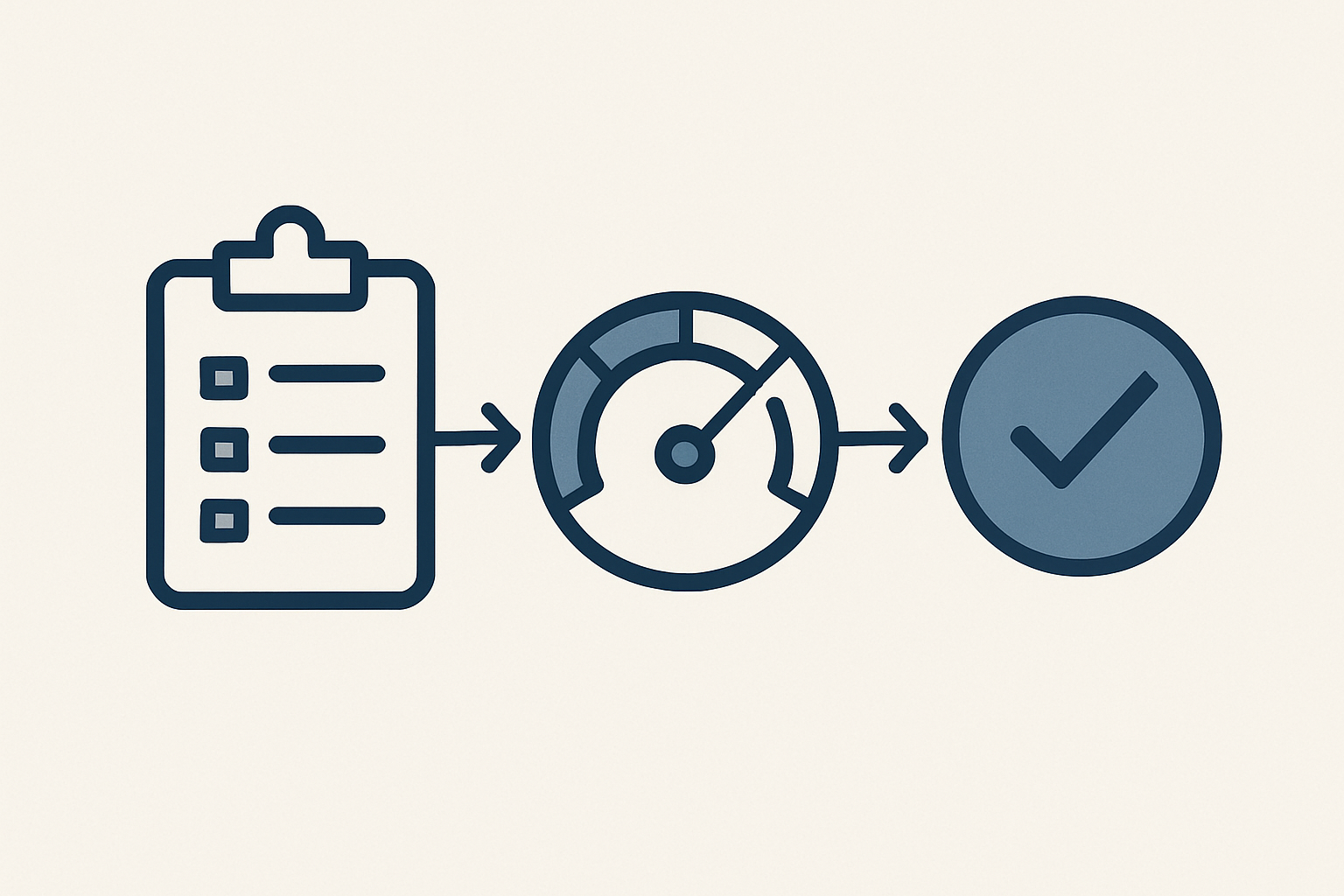
Reputable drug rehab facilities provide evidence-based treatment programs, licensed medical staff, and proper accreditation to ensure safe, effective addiction recovery. finding the right facility requires careful evaluation of credentials, treatment approaches, and success rates.
Choosing a reputable treatment center significantly impacts your recovery journey. Quality facilities offer comprehensive care that addresses both physical addiction and underlying mental health issues. They maintain transparent practices, employ qualified professionals, and follow established clinical guidelines.
The rehabilitation industry includes thousands of facilities, making selection challenging. However, understanding key quality indicators helps identify programs that prioritize patient safety and long-term recovery success over profit margins.
Key Takeaways
- Look for facilities accredited by The Joint Commission or CARF, which maintain rigorous quality standards
- According to SAMHSA, only 11% of people with substance use disorders receive treatment at specialty facilities
- Reputable centers employ licensed medical doctors, addiction counselors, and mental health professionals
- Evidence-based treatments like cognitive behavioral therapy show 60-70% higher success rates than unproven methods
- Quality facilities provide detailed treatment plans, family involvement programs, and aftercare planning
Essential Accreditation and Licensing Standards
Legitimate rehab facilities maintain proper accreditation from recognized organizations. The Joint Commission and the Commission on Accreditation of Rehabilitation Facilities (CARF) represent the gold standards for addiction treatment centers.
State licensing requirements vary, but reputable facilities exceed minimum standards. They voluntarily pursue additional certifications that demonstrate commitment to quality care. These accreditations require regular inspections and compliance with strict protocols.
Key Accreditation Bodies to Look For
The Joint Commission evaluates patient safety, infection control, and medication management practices. CARF focuses specifically on behavioral health and rehabilitation services. Both organizations conduct thorough on-site evaluations every three years.
Additional certifications include state health department licensing and DEA registration for medication-assisted treatment. Facilities should display these credentials prominently and provide verification numbers upon request.
Qualified Medical and Clinical Staff
Reputable facilities employ licensed medical doctors, psychiatrists, and addiction specialists. These professionals oversee detoxification, manage medications, and address co-occurring mental health conditions safely.
Clinical staff should include licensed addiction counselors, social workers, and therapists. Many quality programs require advanced degrees and specialized addiction training. Staff-to-patient ratios remain reasonable to ensure adequate individual attention.
Staff Credentials and Training Requirements
Medical directors must hold board certification in addiction medicine or psychiatry. Counseling staff need state licensure and continuing education in evidence-based practices. Quality facilities invest in ongoing staff training and professional development.
Nurses should maintain current licenses and specialized addiction training. Support staff receive proper training in addiction dynamics, crisis intervention, and patient confidentiality protocols.
Evidence-Based Treatment Approaches
Reputable facilities use scientifically proven treatment methods rather than experimental or unproven approaches. Cognitive behavioral therapy, motivational interviewing, and medication-assisted treatment form the foundation of quality programs.
treatment plans should address individual needs through comprehensive assessments. Quality programs integrate mental health treatment, family therapy, and life skills training. They avoid one-size-fits-all approaches that ignore personal circumstances.
Recognized Treatment Modalities
Dialectical behavior therapy helps manage emotional regulation and interpersonal relationships. Group therapy provides peer support and social learning opportunities. Individual counseling addresses personal trauma and underlying issues.
Medication-assisted treatment uses FDA-approved medications like buprenorphine and naltrexone. These evidence-based approaches significantly improve treatment retention and reduce relapse rates.
Transparency and Communication Practices
Quality facilities provide clear information about treatment approaches, costs, and expected outcomes. They offer detailed program descriptions and answer questions honestly about success rates and potential challenges.
Reputable centers maintain open communication with families when appropriate and authorized. They provide regular progress updates and involve loved ones in treatment planning when beneficial for recovery.
Financial Transparency and Insurance
Legitimate facilities provide detailed cost breakdowns and work with insurance providers transparently. They explain coverage limitations and payment options upfront. Hidden fees or surprise charges indicate potential problems.
Quality programs help navigate insurance authorization and provide financial counseling services. They offer sliding scale options for those with limited resources rather than turning patients away.
Facility Environment and Safety Standards
Safe, clean, and therapeutic environments support recovery progress. Reputable facilities maintain proper security measures while creating welcoming spaces that promote healing and reflection.
Medical equipment should be current and properly maintained. Emergency protocols must be clearly established with trained staff available around the clock. Safety inspections and maintenance records demonstrate ongoing commitment to patient welfare.
Frequently Asked Questions
How do I verify a facility's accreditation status?
Visit The Joint Commission or CARF websites to search their databases of accredited facilities. Contact state licensing boards to confirm current licensure status. Reputable facilities provide verification information readily upon request.
What questions should I ask during facility tours?
Ask about staff credentials, treatment approaches, success rates, and aftercare planning. Inquire about typical day schedules, family involvement policies, and emergency procedures. Request references from former patients when possible.
How important are online reviews for facility selection?
Online reviews provide insights but should be balanced with professional evaluations. Look for patterns in feedback rather than individual complaints. Verify reviewer authenticity and consider potential bias in extremely positive or negative reviews.
What red flags indicate an unreliable facility?
Avoid facilities making unrealistic promises, lacking proper licensing, or using high-pressure sales tactics. Red flags include inadequate medical supervision, unqualified staff, poor living conditions, or resistance to providing credential verification.
Bottom Line
Reputable drug rehab facilities demonstrate quality through proper accreditation, qualified staff, evidence-based treatments, and transparent practices that prioritize patient safety and recovery success.
Finding the right treatment facility requires careful research and evaluation of multiple factors. CareDrugRehabilitation.com provides comprehensive resources and guidance to help individuals and families identify quality addiction treatment programs that align with their specific needs and circumstances.
References
- Substance Abuse and Mental Health Services Administration. (2023). Key substance use and mental health indicators in the United States. https://www.samhsa.gov
- The Joint Commission. (2024). Behavioral health care accreditation standards. The Joint Commission Resources.
- Commission on Accreditation of Rehabilitation Facilities. (2024). CARF standards manual for behavioral health. CARF International.
- National Institute on Drug Abuse. (2023). Principles of drug addiction treatment: A research-based guide. https://www.drugabuse.gov